Modern convenience often comes with recurring costs, but your kitchen appliances don’t have to be a drain on your monthly budget. Implementing specific dishwasher tips is one of the easiest ways for homeowners to reduce utility bills while extending the lifespan of their machine. By adopting a few basic habits and understanding the mechanics of how your appliance cleans, you can achieve sparkling dishes without incurring a heavy financial burden. Efficiency in the kitchen is about making the most of every cycle, ensuring that you are not wasting resources on half-empty loads or unnecessary pre-rinsing routines that modern technology has made obsolete.
Maximizing Efficiency with Strategic Dishwasher Tips
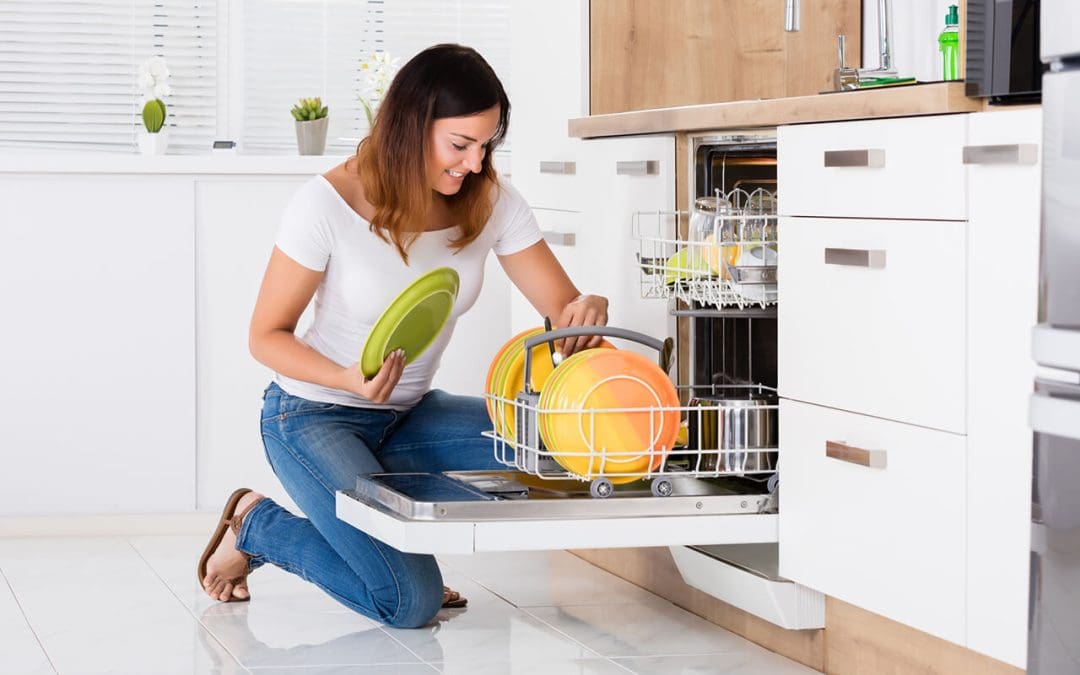
The most effective way to lower your operating costs is to ensure that every gallon of water used is doing the maximum amount of work. One of the most important dishwasher tips to remember is only to run the machine when it is full. Running several small loads throughout the week consumes significantly more water and energy than waiting for a full capacity cycle. However, there is a delicate balance to maintain, as overloading the racks could lead to poor water circulation and trapped debris. You should arrange your plates and bowls so that they face the center spray arm, ensuring that water will reach every surface without being blocked by larger items. When dishes are not cleaned properly the first time due to crowding, you end up rerunning the cycle, which completely negates any potential savings and doubles your wear and tear on the appliance.
Rethink Your Pre-Rinse Habits
A common misconception among many homeowners is that dishes must be nearly clean before they enter the machine. In reality, skipping the pre-rinse is one of those dishwasher tips that could save thousands of gallons of water over the life of the appliance. Modern dishwashers are equipped with soil sensors that detect how dirty the water is and adjust the cycle accordingly. If you rinse everything beforehand, the sensor may think the dishes are already clean and trigger a shorter, less effective cycle that might actually leave stuck-on grease behind. Instead of rinsing, simply scrape off large food scraps into the compost or trash. This allows the enzymes in your detergent to do their job properly, as they are designed to latch onto food particles to break them down. By trusting the technology you paid for, you reduce your manual labor and your water bill simultaneously.
Dishwasher Tips for Temperature Control and Drying Options
Heating water accounts for a vast majority of the energy used during a cleaning cycle. To save money, you should check if your dishwasher has an “eco” or “energy-saver” mode, which often uses slightly lower water temperatures and less water overall. Another significant energy drain is the heated dry cycle, which uses a high-wattage heating element to evaporate moisture. You can reduce your electricity usage by selecting the air-dry option or simply cracking the door open once the final rinse is complete to let the dishes dry naturally. While this might take a bit longer, the financial savings on your power bill are noticeable over time. If you live in an area with peak utility pricing, running your machine late at night or during off-peak hours will also provide an additional layer of savings without requiring any changes to your actual cleaning process.
Maintenance for Long-Term Savings
A clean machine is an efficient machine, and neglecting basic maintenance leads to mechanical failures and higher energy consumption. You should regularly inspect and clean the dishwasher filter, typically located at the bottom of the dishwasher tub. A clogged filter restricts water flow, forcing the pump to work harder and use more electricity, which in turn puts unnecessary stress on the motor. Additionally, checking the spray arms for mineral deposits or trapped debris ensures that water is being distributed evenly. If you have hard water, using a specialized dishwasher cleaner or a simple bowl of white vinegar once a month helps dissolve scale buildup that might otherwise lead to a service call. These preventive dishwasher tips help you avoid the high cost of emergency repairs and keep your appliance running at peak performance for years to come.
Frequently Asked Questions (FAQs)
Does the type of detergent I use really matter in terms of saving money?
While it might be tempting to buy the cheapest detergent available, high-quality tablets or pods often contain surfactants and enzymes that are much more effective at breaking down food in a single cycle.
Is it cheaper to wash dishes by hand or use a dishwasher?
For almost all modern households, using a dishwasher is significantly cheaper and more water-efficient than hand-washing. An Energy Star-certified dishwasher uses as little as three gallons of water per load, whereas leaving the kitchen faucet running for just a few minutes can use double that amount.
How often should I clean the interior of my dishwasher?
To maintain maximum efficiency, you should aim to clean the filter once a month and perform a deep clean of the interior every three to six months.
RMI Inspection Services provides home inspection services in South Florida. Contact us to request an appointment.